Blogs
What's New Trending

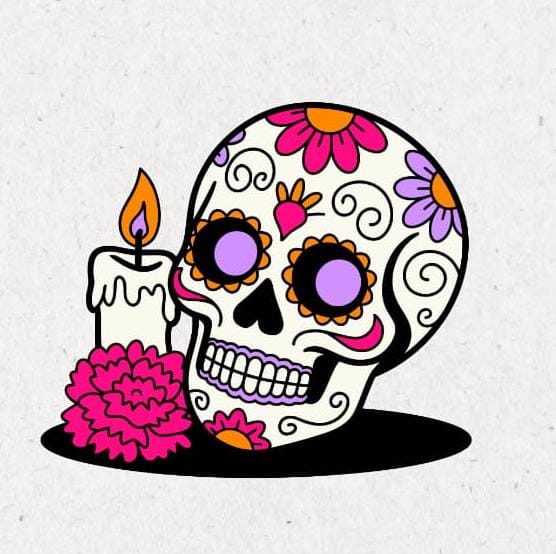
Every year from October 31 to November 2, Mexico bursts into color, music, and emotion as families across the country celebrate Día de los Muertos, or the Day of the Dead. Far from being a somber event, this is a time to honor loved ones who have passed, welcoming their spirits back to the world of the living through beautiful traditions, offerings, and festivities. In the Riviera Maya, where ancient Mayan heritage meets modern coastal life, the Day of the Dead takes on a special significance. It is a fusion of pre-Hispanic beliefs and Catholic customs, creating one of the most meaningful and visually stunning cultural experiences for locals and visitors alike.
The Day of the Dead is rooted in the belief that death is not the end, but a natural part of the cycle of life. Ancient Mesoamerican civilizations such as the Maya and Aztec held deep respect for death and saw it as a continuation of existence in another realm. When Spanish colonizers introduced Catholicism, these indigenous traditions blended with All Saints’ Day and All Souls’ Day, resulting in the modern Día de los Muertos. Today, families prepare altars, known as ofrendas, to welcome the souls of their departed loved ones. These altars are filled with offerings such as candles, photos, food, flowers, and symbolic items that represent each person’s life.
A central part of the celebration is the ofrenda, or altar. These are often built in homes, schools, and public spaces, decorated with candles, sugar skulls, favorite dishes, and marigold petals that guide spirits home.
The calaveras, or skulls, are another iconic symbol. Traditionally made from sugar or clay, they represent both death and rebirth, often inscribed with the names of the departed. Today, calavera makeup and costumes are also popular during parades and events, adding a theatrical element to the celebration. The vibrant cempasúchil, or Mexican marigold, is known as the “flower of the dead.” Its bright orange petals and sweet scent are believed to attract spirits, lighting their path from the afterlife back to the world of the living. Streets, cemeteries, and altars all bloom with these flowers during the first days of November, creating a golden glow across Mexico.
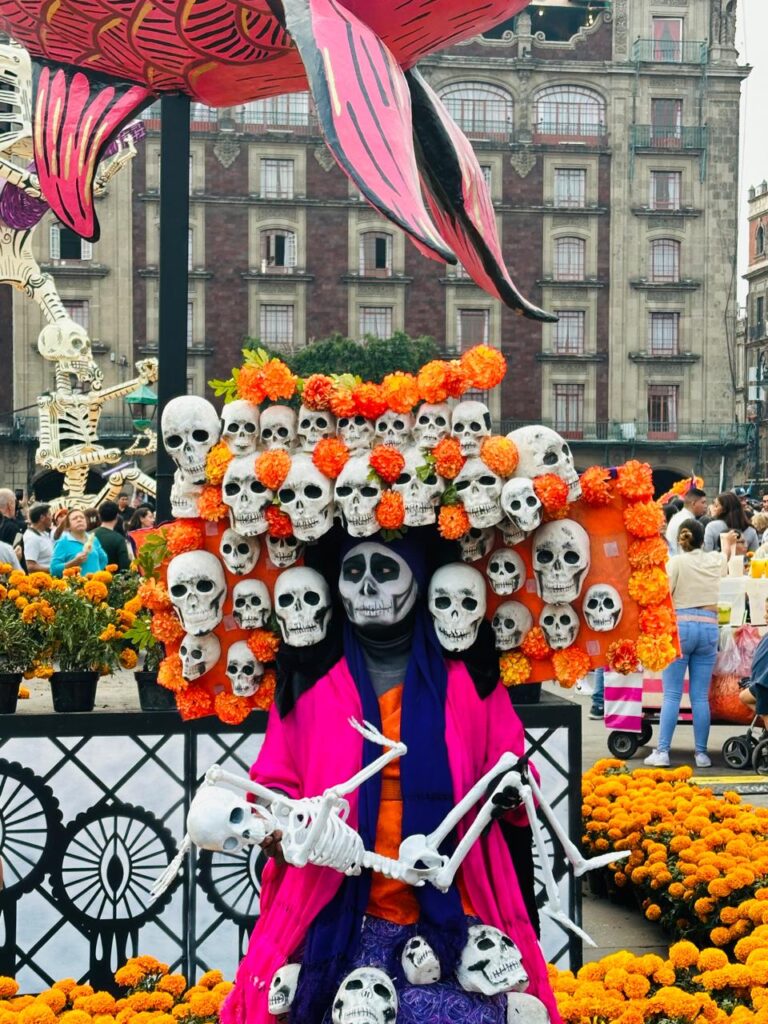
Playa del Carmen offers a lively mix of cultural events and beachside energy during the Day of the Dead. The main festivities usually take place along Quinta Avenida (Fifth Avenue) and Parque Fundadores, where visitors can enjoy traditional music, dance, and art exhibitions.
Local restaurants and hotels also join in by setting up altars and offering themed dinners featuring regional dishes and live performances. Visitors can walk through candlelit paths, admire intricate face painting, and sample authentic Yucatecan cuisine while learning about the significance of the holiday.
In Tulum, the Day of the Dead is celebrated with a more spiritual and bohemian vibe. Many of the town’s boutique hotels and beach clubs host intimate gatherings, art shows, and calavera face-painting workshops.
Expect fire shows, live music, and small processions through town, along with traditional Mayan ceremonies that pay homage to the ancestors. The mix of jungle, sea, and candlelight creates a magical atmosphere that feels deeply connected to nature and ancient tradition.
One of the most impressive Day of the Dead celebrations in the entire country takes place at Xcaret Park, located between Playa del Carmen and Tulum. The Festival de Tradiciones de Vida y Muerte (Festival of Life and Death Traditions) is a multi-day event that combines theater, dance, music, gastronomy, and art exhibitions.
Every year, Xcaret features a guest state from Mexico, showcasing its local customs and cuisine. Visitors can explore colorful installations, attend traditional performances, and learn about the rich symbolism behind each ritual. It’s an unforgettable cultural experience for families and travelers alike.
Food plays a vital role in the Day of the Dead, symbolizing love and remembrance. Some of the most beloved dishes include:
Pan de Muerto – A sweet, round bread often decorated with bone-shaped patterns and sprinkled with sugar. It represents the cycle of life and death and is traditionally enjoyed with hot chocolate or coffee.
Mucbipollo – A Yucatecan specialty that combines Mayan tradition with Day of the Dead customs. This large tamal, made of masa, chicken, and spices, is wrapped in banana leaves and baked underground. Its name comes from the Mayan word mucbil, meaning “to bury,” symbolizing the offering of food to the spirits.Hot Chocolate – Thick and rich, Mexican hot chocolate is often made with cinnamon and vanilla, offering comfort during the cool November evenings. It’s a favorite accompaniment during altar visits and family gatherings.
If you’re planning to visit the Riviera Maya during the Day of the Dead, here are a few tips to make the most of your experience:
The Day of the Dead is more than a holiday, it’s a reflection of Mexico’s soul. In the Riviera Maya, this ancient celebration finds new life amid turquoise waters and tropical forests, inviting everyone to reflect on love, memory, and the cycle of existence.
Whether you’re exploring the vibrant streets of Playa del Carmen, soaking in the mysticism of Tulum, or attending the spectacular Xcaret festival, you’ll witness a celebration that connects generations and reminds us all that those we love never truly leave us.

